
A Deep Dive into DeFi Utilities Across Blockchains in 2026: The Real-World Revolution
Disclaimer: This article is for informational and educational purposes only. It does not constitute financial advice, investment recommendations, or endorsements. The cryptocurrency market is volatile, and technologies evolve rapidly. All data and observations are based on publicly available information as of February 2026.
Picture this: It’s early 2026, and the crypto winter that some feared never fully materialized. Instead, Decentralized Finance (DeFi) has quietly become one of the most resilient corners of the market. While Bitcoin and Ethereum prices swing wildly, DeFi’s Total Value Locked (TVL)—the amount of capital actively working in protocols—holds steady or even climbs modestly during sell-offs. Recent reports show overall DeFi TVL hovering around $105–140 billion, down slightly from peaks but outperforming broader market drops. This resilience isn’t luck; it’s the result of maturing technology, real utility, and growing institutional interest.
DeFi isn’t just about swapping tokens anymore. It’s evolving into a parallel financial system offering lending, borrowing, trading, yield farming, and now—crucially—tokenization of real-world assets (RWAs) like bonds, real estate, and treasuries. AI integration adds another layer, automating strategies and boosting efficiency. In this guide, we’ll break down DeFi utilities on major blockchains in simple, engaging terms. Think of it as a tour through the “banks” of tomorrow—no suits required, just code and creativity.
What Makes DeFi Tick in 2026? The Big Picture
DeFi lets anyone with an internet connection access financial services without banks or middlemen. You deposit crypto into smart contracts (self-executing code), earn yields, trade instantly, or borrow against holdings—all transparently on the blockchain.
Key drivers this year:
- RWA Tokenization: Real-world stuff (Treasuries, invoices, property) gets turned into digital tokens. Projections suggest RWAs could hit $100B+ in TVL by year-end, blending tradFi stability with DeFi speed.
- AI Smarts: Algorithms optimize yields, predict risks, and automate trades—turning passive holding into active earning.
- Institutional Money: Big players dip toes via compliant protocols, bringing deeper liquidity.
- Cross-Chain Magic: Bridges and interoperability let assets flow between networks seamlessly.
Ethereum still leads, but Solana, Cardano, Polkadot, XRP Ledger, and Bitcoin layers are carving niches. Let’s explore each.

Bitcoin: Collateral King via Layers and Wrappers
Bitcoin lacks native smart contracts, but wrapped BTC (WBTC ~$8–9B TVL) brings it to DeFi.
Utilities:
- Wrapped Collateral — WBTC on Ethereum/Solana for lending (Aave, Morpho).
- L2s — Stacks, Rootstock for BTC-native apps.
- Yield — Stake wrapped BTC for returns.
Appeal: Bitcoin as secure collateral—stable, valuable.
Ethereum: The DeFi Giant—Depth, Security, and Institutional Appeal
Ethereum remains the undisputed king of DeFi, hosting the lion’s share of TVL—around $105–135 billion recently, with about 68% of total DeFi dominance. Why? It’s battle-tested, with the most developers and protocols.
Core Utilities Explained Simply:
- Lending & Borrowing — Deposit assets (like ETH or stablecoins) as collateral and borrow others. Protocols like Aave and Compound adjust interest rates automatically based on supply/demand. Flash loans let you borrow huge amounts instantly—if repaid in the same transaction (great for arbitrage).
- Decentralized Exchanges (DEXs) — Uniswap pioneered automated market makers (AMMs): Liquidity pools replace order books. Provide liquidity, earn fees. Curve specializes in stablecoin swaps with minimal slippage.
- Yield Farming & Staking — Stake ETH via Lido for liquid stETH (earn ~4–6% while using it elsewhere). Morpho and others optimize yields across protocols.
- Real-World Assets (RWAs) — BlackRock and others tokenize funds here. Use tokenized Treasuries as collateral for loans—stable yields meet crypto composability.
- Derivatives & Insurance — Synthetix for synthetic assets; protocols like Etherisc for automated insurance payouts.
2026 Highlights: Layer-2s (Arbitrum, Optimism) keep fees low (cents per trade) and TPS high. Institutional adoption surges with compliant vaults. Risks? Smart contract bugs (though audits help) and occasional congestion.
Fun Fact: During recent market dips, Ethereum staking grew—more ETH locked in, signaling long-term confidence.
| DeFi Category | Top Protocols (2026) | What It Does Simply | Rough TVL Share |
|---|---|---|---|
| Lending | Aave, Morpho, Compound | Borrow/lend with collateral | High (tens of billions) |
| DEX/AMMs | Uniswap, Curve | Swap tokens easily | Significant |
| Liquid Staking | Lido, Rocket Pool | Stake ETH, stay liquid | Dominant |
| RWAs | Various tokenized funds | Real assets on-chain | Growing fast |
Solana: Speed Demon for High-Frequency DeFi
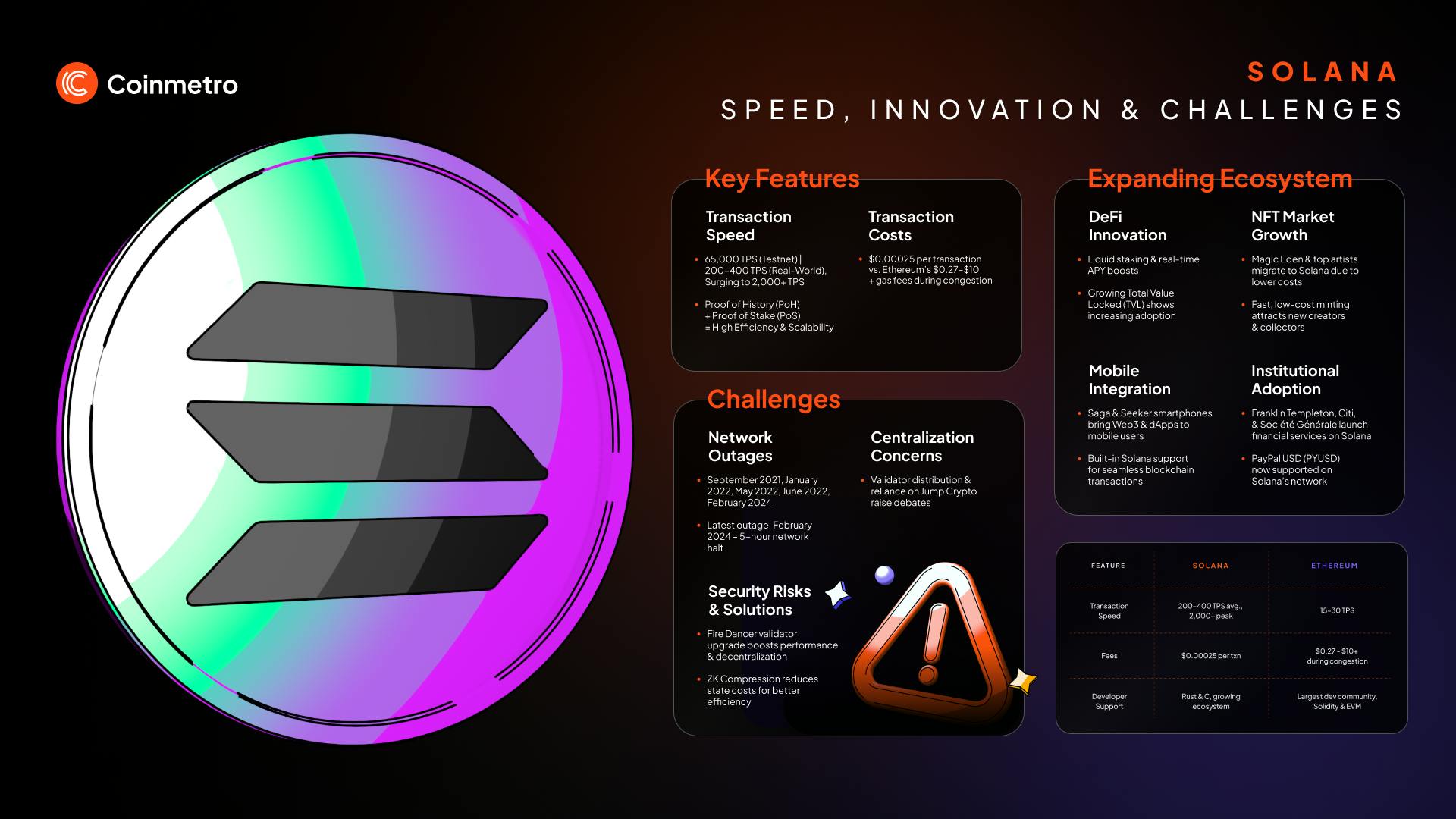
Solana shines where Ethereum feels slow—sub-second transactions, fees under a cent, and up to thousands of TPS. TVL hovers around $9–13 billion, with explosive growth in trading and AI agents.
Key Utilities:
- Super-Fast DEXs — Jupiter aggregates liquidity for best swaps; Raydium uses hybrid AMM/order books.
- Lending & Yield — Kamino automates liquidity and positions (TVL leader at billions); Marginfi for borrowing.
- Derivatives — Drift for perpetual futures—leveraged trading without expiry.
- AI Agents — Bots automate farming, arbitrage—huge volume here.
- RWAs & Tokenization — Extensions enable fractional real estate or bonds.
Why It’s Exciting: Perfect for retail traders and high-volume apps. Firedancer upgrades boost reliability. Downsides? Occasional network hiccups (mostly fixed).
Imagine trading memecoins or perps in real-time—Solana makes it feel like centralized exchanges, but decentralized.
Cardano: Sustainable, Research-Backed DeFi for the Long Haul
Cardano takes a slow-but-steady approach: peer-reviewed code, energy-efficient PoS, and focus on real-world impact. TVL remains modest (~$130–150M), but growth accelerates with stablecoin integrations.
Utilities:
- DEXs — Minswap and SundaeSwap for swaps; Hydra scales for faster trades.
- Lending & Stablecoins — Indigo for overcollateralized stablecoins; compliant lending.
- Privacy Layer — Midnight sidechain uses zero-knowledge proofs for confidential transactions.
- Identity & Traceability — Atala PRISM links on-chain history to real identities—great for credit in emerging markets.
2026 Momentum: USDCx integration could double liquidity. Pentad alliance boosts top dApps. It’s ideal for inclusive finance—less hype, more substance.
Polkadot: The Interoperability Hub Connecting Everything
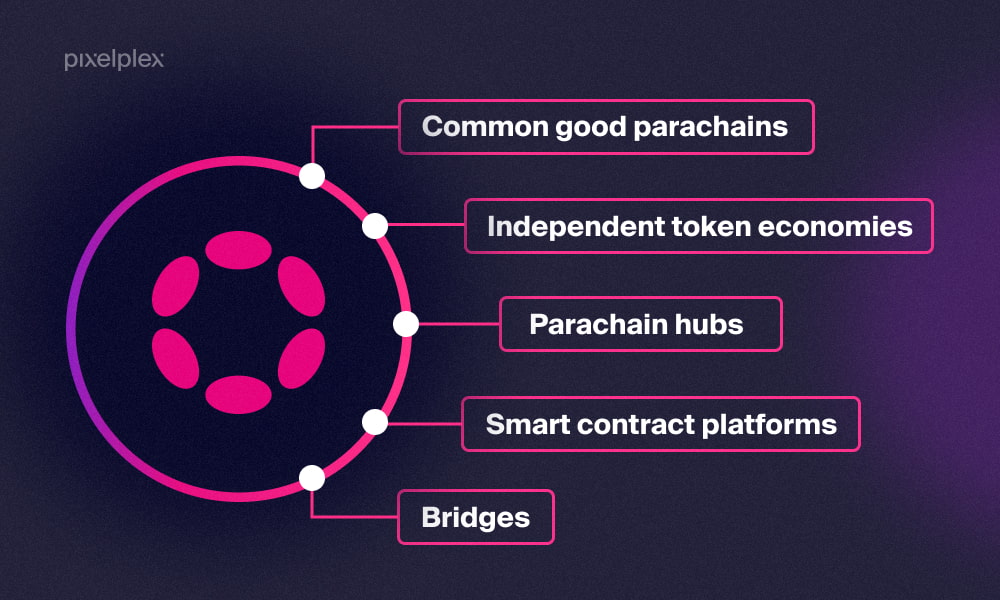
Polkadot’s relay chain links parachains, enabling cross-chain DeFi. TVL is modest (~$150–300M across protocols), but shared security shines.
Utilities:
- Cross-Chain Swaps — Acala and Moonbeam bridge assets for multi-chain trading.
- Lending — Parallel Finance for borrowing across chains.
- Prediction Markets — Zeitgeist for betting on events.
- Bridging — Snowbridge connects to Ethereum—wrapped assets flow freely.
Strength: Sharding scales; perfect for hybrid apps combining Ethereum liquidity with other features.
XRP Ledger: Fast Payments Meet Emerging DeFi
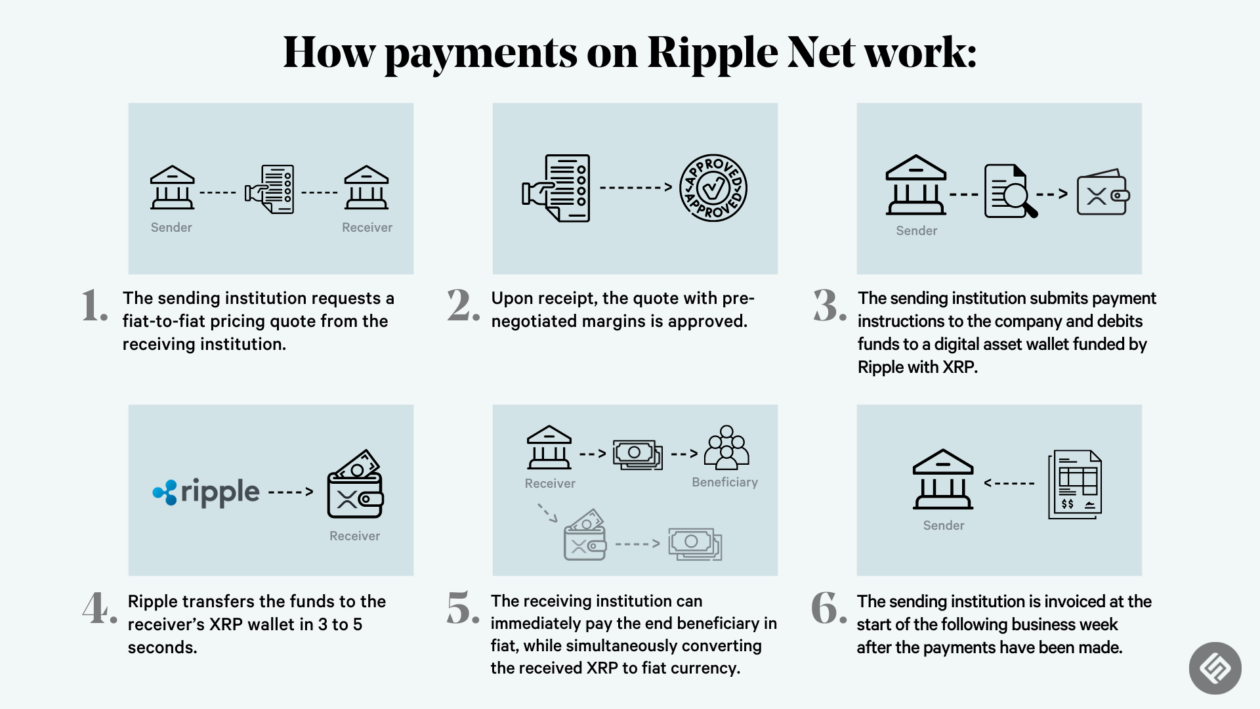
XRPL prioritizes speed (3–5s settlements, low fees). DeFi TVL low (~tens of millions), but upgrades change that.
Utilities:
- Native AMM & DEX — Built-in for trading; XLS-66 adds lending.
- Institutional Focus — Permissioned pools, RLUSD stablecoin for compliant DeFi.
- Privacy — Zero-knowledge for confidential trades.
2026 Shift: “Institutional DeFi” push—lending protocols attract big money.
Solana: High-Speed Transactions for Apps
Solana’s proof-of-history enables sub-second processing, suiting DeFi, NFTs, and AI agents. Utilities: Real-time trading and mobile integrations. Pros: Low fees; cons: Historical network outages, mitigated by upgrades.
Cardano: Sustainable and Research-Driven Solutions
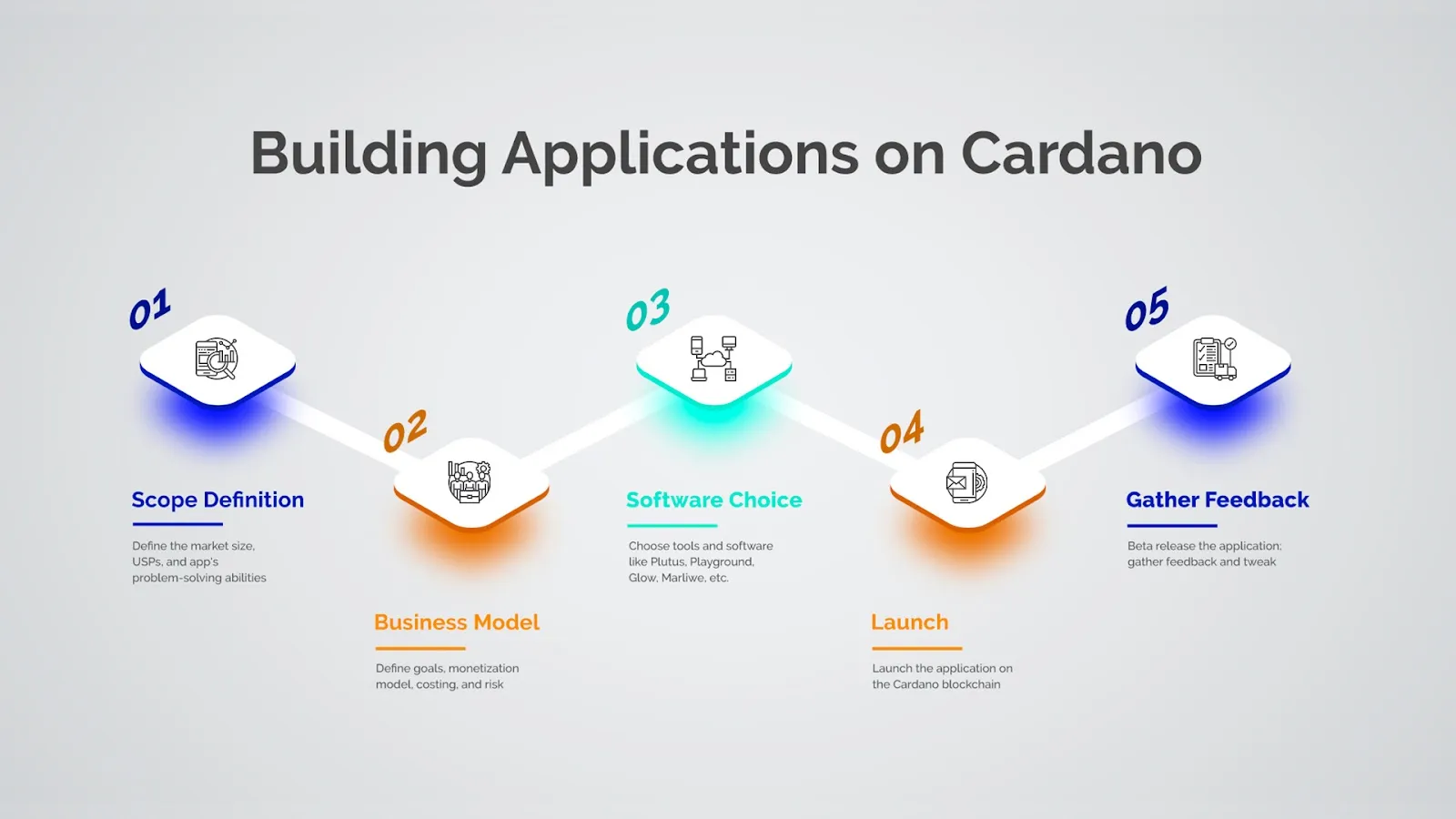
Cardano prioritizes peer-reviewed development for traceability in supply chains and identity. Utilities: Privacy-focused DeFi and inclusive finance in emerging markets. Strengths: Low energy use; limitations: Slower adoption pace.
Polkadot: Interoperability for Multi-Chain Ecosystems
Polkadot connects blockchains via parachains, facilitating cross-chain DeFi and data sharing. Utilities: Bridging assets across networks. Pros: Scalable sharding; cons: Complexity in setup.
The Future: RWAs, AI, and Beyond
DeFi in 2026 blends old finance with new tech. RWAs bring stability; AI automates smarts. Cross-chain tools unify liquidity. Risks remain—audits, hacks, regulation—but utilities grow stronger.
Whether you’re lending on Ethereum, trading on Solana, or exploring Cardano’s privacy, DeFi offers real tools for wealth building. Stay curious, start small, and watch this space evolve.