Feeding Your Family on a Shoestring: A Working-Class Guide to Affordable Eating in the UK in 2026
Hey there, fellow Brits. If you’re anything like me—a regular working-class parent juggling a full-time job, kids’ school runs, and the never-ending battle against rising bills—you know that feeding the family isn’t just about putting food on the table. It’s about making every penny count, turning simple ingredients into meals that warm the heart, and maybe even sneaking in a bit of joy amid the chaos. In 2026, with food prices still feeling the pinch from inflation (though thankfully easing a tad from the peaks of 2023), it’s tougher than ever. But don’t worry; I’ve dived deep into this for you. This isn’t some glossy magazine fluff—it’s a real, gritty look at how to shop smart, cook cleverly, and keep your loved ones fed without breaking the bank.
Picture this: It’s a rainy Saturday morning in Manchester, and you’re pushing a trolley through the aisles, calculator app open on your phone, trying to decide if that pack of fresh carrots is worth the extra quid over the frozen ones. Sound familiar? That’s the human side of it—the stress, the small victories when you spot a yellow sticker deal, the pride in serving up a hearty stew that has the kids asking for seconds. We’ll explore all that here: comparisons across major retailers, the fresh vs. frozen debate, best practices for prep, and loads more. By the end, you’ll have a blueprint to slash your grocery bill while keeping things nutritious and tasty. Let’s dig in.
Part 1: Setting the Scene – What’s the Average Grocery Budget for a UK Working-Class Family?
Let’s start with the basics: how much are we actually spending? According to recent data from the Office for National Statistics (ONS) and analyses by financial experts like NimbleFins, the average UK household shells out around £74 per week on groceries alone in 2025-2026, with an additional £27 on takeaways and eating out. For a family of four—say, two adults and two kids—that translates to about £120-£141 weekly for all food needs, including those occasional fish and chips treats. But for working-class families, where incomes hover around the median £30,000-£40,000 household mark, this can feel like a stretch. Regional differences play a role too: folks in London or the South East might pay 10-15% more than those in the North East or Yorkshire.
I remember chatting with my mate Dave, a factory worker in Birmingham with three kids. “We aim for £100 a week,” he said, “but with the lads always hungry after footy, it creeps up to £130 easy.” That’s the reality—teenagers eat like horses, and little ones are picky. If you’re single or a couple, you’re looking at £50-£80 weekly, but add kids, and it jumps. The key? Budgeting. Track your spends for a month using a free app like Money Dashboard, and you’ll spot leaks—like those impulse biscuits that add £5 here and there.
Now, why does this matter? Because food takes up 16% of the average household budget, more than transport or utilities in some cases. In 2026, with food inflation hovering at 2-4%, we’re still recovering from the 17% spike a couple years back. But there’s hope: smart shopping can save you £500-£1,000 annually. Let’s break it down by retailer.
Part 2: The Big Shop Showdown – Comparing Major UK Retailers
The UK grocery scene is dominated by the “Big Four”—Tesco, Sainsbury’s, Asda, and Morrisons—plus discounters like Aldi, Lidl, and specialists like Iceland for frozen goods. Waitrose and M&S are there too, but for working-class budgets, they’re often a treat rather than a staple. Co-op fills in for convenience. Each month, Which? compares a basket of 70-100 items across these stores, and consistently, Aldi and Lidl come out on top for value. In December 2025, Aldi was the cheapest at £118 for a big shop, while Waitrose hit £150+ for the same items. As we kick off 2026, Lidl has been named the cheapest in recent checks, with savings up to £47 compared to pricier spots like Waitrose. Morrisons is slashing prices on 2,500 items to start the year, making them more competitive.
Let’s compare staples for a family of four’s weekly needs: milk (4 pints), bread (loaf), eggs (dozen), potatoes (2.5kg), carrots (1kg), chicken breast (1kg), beef mince (500g), pasta (500g), rice (1kg), canned tomatoes (400g). Based on recent comparisons from sites like Trolley.co.uk and Which?, here’s a table (prices approximate as of early 2026; always check current):
| Item | Aldi | Lidl | Tesco | Sainsbury’s | Asda | Morrisons | Iceland (Frozen equiv.) |
|---|---|---|---|---|---|---|---|
| Milk (4 pints) | £1.45 | £1.45 | £1.55 | £1.55 | £1.50 | £1.50 | N/A |
| Bread (loaf) | £0.75 | £0.75 | £0.85 | £0.85 | £0.80 | £0.80 | £1.00 (frozen rolls) |
| Eggs (dozen) | £1.99 | £1.99 | £2.20 | £2.25 | £2.10 | £2.15 | N/A |
| Potatoes (2.5kg) | £1.19 | £1.19 | £1.35 | £1.40 | £1.30 | £1.25 | £1.00 (frozen) |
| Carrots (1kg) | £0.45 | £0.45 | £0.55 | £0.60 | £0.50 | £0.50 | £0.80 (frozen) |
| Chicken breast (1kg) | £4.99 | £4.99 | £5.50 | £5.75 | £5.25 | £5.25 | £4.00 (frozen) |
| Beef mince (500g) | £2.29 | £2.29 | £2.50 | £2.60 | £2.40 | £2.40 | £2.00 (frozen) |
| Pasta (500g) | £0.49 | £0.49 | £0.55 | £0.60 | £0.50 | £0.50 | N/A |
| Rice (1kg) | £0.99 | £0.99 | £1.10 | £1.15 | £1.05 | £1.05 | N/A |
| Canned tomatoes | £0.28 | £0.28 | £0.35 | £0.40 | £0.30 | £0.30 | £0.50 (frozen equiv.) |
| Total | £14.87 | £14.87 | £16.50 | £17.15 | £15.70 | £15.70 | ~£13.30 (mixed) |
See how Aldi and Lidl edge out? That’s a £2-£3 saving per shop, adding up to £100+ yearly. But it’s not just price—Aldi’s “Super 6” deals on veg can drop carrots to £0.29/kg. Tesco’s Clubcard offers loyalty discounts, knocking 10-20% off regulars. Asda’s price match with Aldi keeps them competitive. Morrisons shines for fresh meat counters, often with butchers’ deals, and their new year cuts make them a strong contender.
For Iceland, the frozen specialist, they’re unbeatable for bulk frozen items. A 1kg bag of frozen chicken is £4 vs £5.50 fresh at Tesco, and their £1 ready meals are lifesavers for busy nights. But quality varies—some say Iceland’s veg is mushier, but for cost, it’s gold.
Human tip: Mix and match. I do my basics at Aldi, top up meat at Morrisons, and frozen at Iceland. Saves time and money. And don’t forget apps like Too Good To Go for surplus food at £3-£5 a bag—perfect for surprises like fresh bread or veg.

Part 3: Fresh vs Frozen – The Great Debate
Ah, the age-old question: is fresh always best, or can frozen save the day (and your wallet)? In 2026, with families potentially saving £1,100 a year by switching to frozen fruit and veg, it’s a no-brainer for working-class budgets. Let’s compare nutrition, cost, and practicality.
Nutrition Showdown: Myth busted—frozen isn’t inferior. Studies from the British Nutrition Foundation and University of Reading show frozen veg often retains more vitamins than fresh that’s sat on shelves or in your fridge for days. Freezing locks in nutrients right after harvest. For example, frozen peas have higher vitamin C than fresh after a week. Minerals like iron and calcium stay similar. Fresh wins for texture in salads, but for cooking? Frozen’s fine.
Cost Comparison: Frozen is cheaper across the board. Take carrots: fresh 1kg £0.55 at Tesco, frozen £0.80 for 1kg at Iceland—but wait, frozen portions reduce waste, so effective cost lower. Chips? Frozen £1 cheaper than fresh potatoes. Overall, switching can save £7.80 weekly. For meats, frozen chicken is 20-30% less, and no spoilage risk.
Practicality for Families: Frozen lasts longer, ideal for batch cooking. No more wilted lettuce in the bin (UK households waste £700/year on food). From Iceland, grab frozen berries for smoothies—cheaper than fresh, same antioxidants. Drawback? Texture in some fruits, but blend ’em!
Story time: My sister in Leeds switched to frozen veg during lockdown. “The kids didn’t notice in stir-fries,” she laughed. “And we saved £20 a month.” Try it—start with mixed veg bags for £1.
Part 4: Best Practices for Preparing Food on a Budget
Now, the fun part: turning those bargains into meals. Best practices aren’t just tips—they’re lifelines. From BBC Food and nutrition experts, here’s how to prep like a pro.
Meal Planning 101: Plan 7 days’ meals, including breakfasts (porridge £0.20/serve) and lunches (sandwiches from leftovers). Write a list—saves 20% on impulse buys. Apps like Mealime help.
Batch Cooking Magic: Cook double on Sundays—chili, curry, soup. Freeze portions. A big pot of veg stew costs £5 for 8 servings. Saves time mid-week.
Using Leftovers Creatively: Yesterday’s roast chicken? Tomorrow’s wraps or soup. Reduces waste.
Smart Cooking Techniques: Slow cookers use less energy (£0.10/hour vs oven £0.50). Bulk with beans/lentils—protein for pennies.
Healthy on Budget: Prioritise veg (5-a-day via frozen), whole grains. Avoid pre-packed—make your own snacks.
Recipes: Simple Shepherd’s Pie (mince £2.29, potatoes £1.19, serves 4 for £5). Or Veggie Stir-Fry (frozen veg £1, rice £0.99, £3 total).
Human angle: It’s about family time. Cooking together teaches kids value—my lot love “pizza night” with homemade dough (£0.50).
Part 5: Deep Dive into Staples and Seasonal Shopping
Let’s zoom in on those everyday essentials that form the backbone of your weekly shop. Staples like bread, milk, eggs, and grains aren’t just fillers—they’re the canvas for your meals. But buying them smartly, especially in tune with the seasons, can transform your budget from strained to sustainable.
Start with bread: At Aldi, a basic loaf is £0.75, but why not bake your own? Flour costs £0.50/kg, and a simple no-knead recipe yields a loaf for £0.40. Add seeds or herbs from your windowsill for flair without extra cost. Milk? Semi-skimmed 4 pints at Lidl £1.45—opt for long-life versions at £1.20 to avoid waste. Eggs: Free-range dozen at £1.99 in discounters; they’re versatile for omelettes or baking.
Now, grains: Pasta (£0.49/500g) and rice (£0.99/1kg) are cheap calories. Bulk buy 5kg rice for £4 at ethnic shops—lasts months. Lentils? £0.80/500g, packed with protein, perfect for dhal.
But the real game-changer is seasonal shopping. Eating what’s in season isn’t just trendy; it’s thrifty and tasty. According to 2026 seasonal calendars from sources like the British Dietetic Association and local producers, January brings root veg like parsnips (£0.50/kg fresh), swedes, and kale. Come spring (March-May), asparagus and rhubarb shine—fresh asparagus £1.50/bunch vs imported £3. Summer (June-August): berries, courgettes, tomatoes at rock-bottom prices in markets. Autumn: apples, pears, pumpkins for pies.
Why seasonal? Prices drop 20-50% in peak months. Fresh UK strawberries in June £1/punnet vs £3 off-season. It reduces food miles, supporting local farmers. Check farmers’ markets—my local in Sheffield offers deals like 5kg potatoes for £2.
Table of Seasonal Highlights (2026 UK):
| Month | Veg/Fruit Highlights | Budget Tip |
|---|---|---|
| Jan-Mar | Leeks, cabbage, apples | Soup bases—£2 for 6 servings |
| Apr-Jun | Asparagus, strawberries | Salads—fresh for £3/family |
| Jul-Sep | Tomatoes, berries, corn | BBQ sides—frozen backups |
| Oct-Dec | Pumpkins, pears, sprouts | Roasts—£4 holiday sides |
Story: Last autumn, I foraged blackberries (free!) and made jam for £1 in sugar. Kids loved it on toast all winter. Seasonal eating feels like a treasure hunt—exciting, not bland.
Incorporate seasons into staples: Winter root mash instead of pricey imports. Saves £10-15 monthly. Pro tip: Apps like Eat Seasonally guide you. It’s not about perfection; it’s about small wins that add up.
Part 6: Dealing with Picky Eaters and Special Diets
Oh, the joy of picky eaters! If your little one turns their nose up at broccoli or your teen demands “proper” food, you’re not alone. For working-class families, this adds pressure—wasted food means wasted money. But with clever tricks, you can navigate it without fancy ingredients.
First, strategies: Involve kids in cooking. Let them chop veg or choose recipes—it boosts buy-in. Hide nutrients: Blend spinach into pasta sauce or carrots in muffins. Start small—mix new foods with favourites. Praise tries, not finishes.
For budget: Use cheap bases. Mac ‘n’ cheese (£2 for 4) hides cauliflower. Smoothies with frozen fruit (£1/bag) mask greens. NHS tips (though their fussy eaters page is down, general advice echoes): Offer variety without pressure; family meals build habits. Meal ideas: Veggie-loaded bolognese (£4, serves 6)—mince with grated courgette. Fish fingers (£2/pack) with hidden pea mash.
Special diets? Gluten-free: Aldi own-brand pasta £1.20 vs £2 elsewhere. Vegan: Lentil burgers (£1.50 ingredients). Diabetes-friendly: Whole grains like oats (£0.50/kg). Allergies: Nut-free pesto with seeds.
Story: My nephew, a veg-hater, now loves “monster soup” (blended greens with funny faces). Saved us £5/week in uneaten meals. Make it fun—theme nights like “taco Tuesday” with cheap fillings (£3 total). For adults: Batch prep custom portions.
Table of Picky Eater Hacks:
| Issue | Solution | Cost Saving |
|---|---|---|
| Veg refusal | Puree into sauces | £2/week |
| Texture hate | Smoothies/blends | £1/serve |
| Boredom | Kid-chosen recipes | Reduces waste |
It’s human—kids test boundaries. Patience pays off, keeping budgets intact.

Part 7: Sustainability and Ethics on a Budget
Sustainability might sound posh, but for us working folk, it’s practical: less waste, lower costs, better planet. In 2026, with climate chats everywhere, eating green doesn’t mean going broke.
Key: Reduce meat—swap half mince for lentils, save £1/meal. Plant-based often cheaper; BBC says sustainable diets cut bills by focusing on resources. Food waste? UK average £60/month—plan to avoid. Ethical meat: Yellow stickers on free-range chicken (20% off). Local veg boxes £10/week vs supermarket £15.
Meal prep sustainably: Use apps like Too Good To Go for surplus (£3/bag). Government pushes healthier, greener food—aim for 5-a-day with seasons.
Story: My family went “meat-free Monday”—bean chili (£3) instead of beef (£5). Kids adapted, we saved £200/year, felt good. Ethics: Support fair trade basics like bananas (£0.80/kg).
Table: Green Swaps
| Standard | Green Swap | Saving/Impact |
|---|---|---|
| Beef mince | Lentil mix | £1, less CO2 |
| Imported fruit | Seasonal local | £2, lower miles |
| Pre-packed | Loose veg | £0.50, no plastic |
It’s doable—small changes, big difference.
Part 8: Tech and Apps for Savings
Tech isn’t just for gadgets—it’s your budget buddy. In 2026, apps slash grocery costs effortlessly.
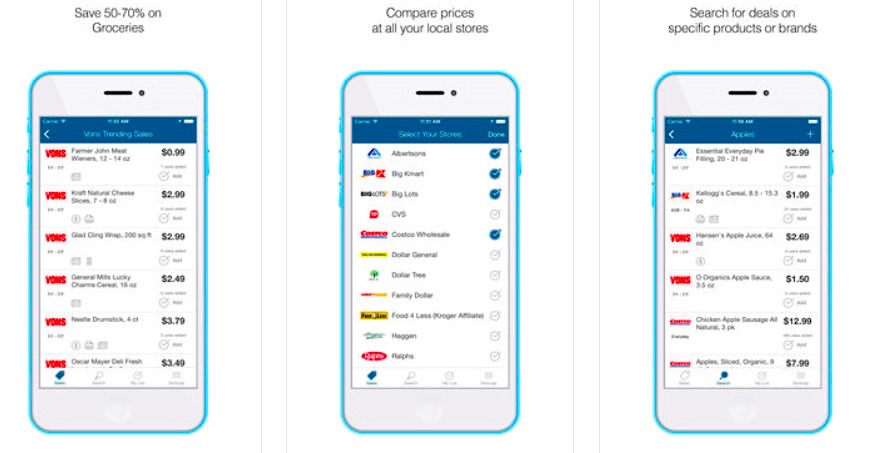
Top picks: Shopmium—cashback on brands (e.g., 50% off yogurt). CheckoutSmart: Scan receipts for rebates. GreenJinn: Supermarket deals. Too Good To Go: Discounted surplus. Olio: Free community shares. Trolley: Compares prices real-time.
Budget trackers: Yuka scans for health/value. HMRC app for benefits checks.
Story: Using Shopmium, I got £10 back monthly—paid for extras. Easy for busy parents.
Table: App Savings
| App | Feature | Avg Save |
|---|---|---|
| Shopmium | Cashback | £5/shop |
| Too Good To Go | Surplus bags | £10/week |
| Olio | Free shares | Variable |
Embrace tech—it’s free money.
Part 9: Regional Variations and Community Resources
UK isn’t uniform—prices vary. London: 15% higher due to rents. North: Cheaper, but transport adds. Inflation: 3-5% in 2026, higher in South.
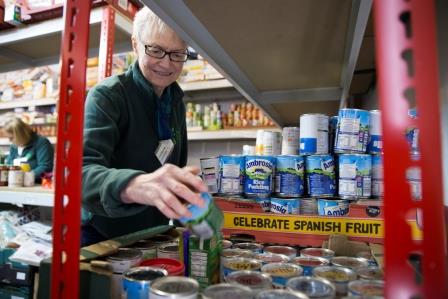
Community: Food banks like Trussell Trust—millions supported. Affordable clubs: £5/week for basics. Pantries: Save millions. Allotments: Grow your own.
Story: In Durham, community summits explore alternatives. Volunteering gives back.
Table: Regional Tips
| Region | Price Note | Resource |
|---|---|---|
| London | Higher veg | Olio app |
| North | Cheaper meat | Food banks |
Tap local help—it’s there.
Part 10: Conclusion and Action Plan
You’ve got the tools—now act. Week 1: Track spends, switch to discounters. Week 2: Meal plan seasonally. Aim £100/week—possible with smarts.
Remember Dave? He cut to £110 using these. Your family deserves good food without stress. Start today—small steps, big feasts. Cheers to affordable, joyful eating in 2026!
Disclaimer
The information provided in this article is for general informational and educational purposes only and does not constitute professional advice. The views and opinions expressed are those of the author and do not necessarily reflect the official policy or position of any other agency, organization, employer, or company.
Readers are encouraged to conduct their own research and consult qualified professionals before making any decisions based on the content presented here. The author and publisher assume no responsibility or liability for any errors, omissions, or consequences arising from the use of this information.
Links to external websites are provided for convenience and do not imply endorsement of their content.
Copyright ©2025 kokoclick. All rights reserved.