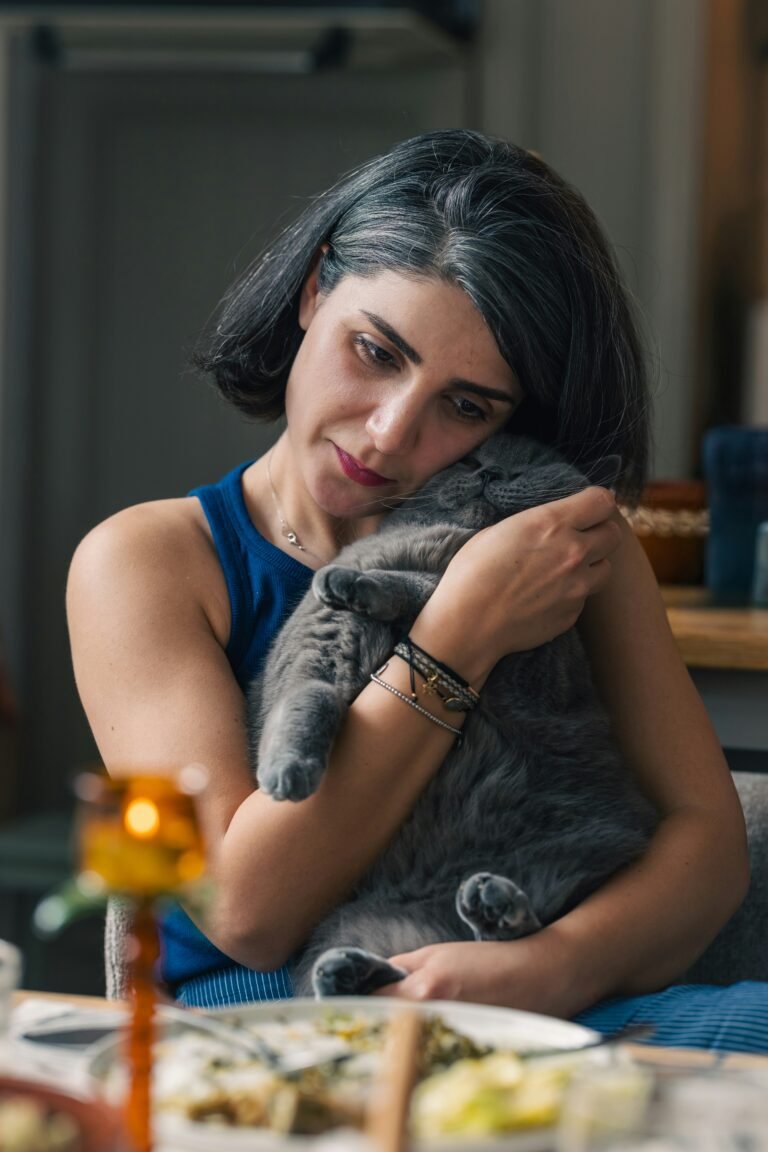
Rehoming a Pet Responsibly in the UK – A Compassionate Guide
Letting go of a beloved pet is never an easy decision. Whether driven by unforeseen changes in circumstances, health, or life events, the process of rehoming must always put the animal’s welfare first. At kokoclick, we understand how emotional and difficult this step can be. That’s why we’ve created this supportive guide to help you rehome your pet responsibly, safely, and with care.
Why Rehoming Happens: Understanding Common Reasons
Rehoming a pet is often a last resort, but it’s more common than many realise. Recent statistics show that around 10% of dogs in the UK were rehomed in the past year, with financial pressures being a leading cause—cited by 25% of owners who relinquished their pets. The rising cost of living, including vet bills, food, and daycare (which can exceed £1,500 annually), has made pet ownership challenging for many.
Other frequent reasons include changes in personal circumstances, such as returning to office work after remote setups during the pandemic, moving house, the arrival of a new baby, allergies, or behavioural issues that owners feel unable to manage. Behavioural problems, often stemming from lack of training or post-pandemic adjustments, account for a significant portion of returns to shelters. Bereavement or inheritance of a pet that doesn’t fit the new family’s lifestyle also contributes.
Importantly, rehoming responsibly is an act of love—it ensures your pet gets the care they need when circumstances change. Charities like the RSPCA report that while adoptions have dipped due to economic factors (with 72% of people not planning new pets), responsible owners prioritising welfare help ease the burden on overcrowded rescues.
1. Start Early and Consider Every Option
Time is one of your greatest assets when rehoming a pet. Avoid waiting until the last minute. The more time you have, the more likely you are to find the right match for your pet.
Before proceeding with rehoming, explore other solutions:
- Can training or behavioural advice resolve the issue? Many issues, like separation anxiety or reactivity, can improve with professional help from trainers or behaviourists recommended by organisations like the RSPCA or Dogs Trust.
- Is temporary foster care with friends or family possible?
- Could a local animal charity provide help or guidance? Some offer support for food costs, vet bills, or behaviour consultations to help you keep your pet.
If rehoming truly is the only path forward, starting early gives you the best chance to plan carefully and act responsibly. Contact charities early, as many have waiting lists due to high demand.
2. Prepare Your Pet for Their New Chapter
Before listing your pet, make sure they are healthy, comfortable, and ready to meet new people. This includes:
- Up-to-date vaccinations and vet checks—essential for preventing disease spread.
- Spaying or neutering, where possible. Neutered pets are often easier to rehome, have fewer health risks, and prevent unwanted litters. Many charities offer low-cost neutering schemes.
- Assembling medical records and dietary notes, including any ongoing treatments.
- Packing their favourite items—beds, toys, or blankets—to provide scent familiarity in their new home.
- Ensuring microchipping and updating details. In the UK, it’s legally required for dogs (since 2016) and cats (since 2024 in England, with similar rules elsewhere). Transfer ownership on the database (e.g., Petlog) during rehoming to aid reunions if the pet strays.
Familiar objects and a clear health history can ease the transition and make the new family feel more prepared. A full vet check also identifies any issues early, increasing adoptability.
3. Create an Honest and Detailed Pet Profile
A well-written pet profile is your opportunity to tell your pet’s story. Share their personality, habits, quirks, needs, and any challenges. Be transparent about age, breed, energy levels, compatibility with children/other pets, and any medical or behavioural notes—this helps find a truly suitable home and reduces return risks (around 20% for shelter dogs, often due to mismatched expectations).
Include clear, recent photos that show them relaxed and happy—multiple angles, including full body and face, in natural light.
Avoid phrases like “free to good home”, which may attract irresponsible or even harmful interest, such as bunchers (who collect animals for labs or resale) or those seeking bait animals. These ads pose serious risks; instead, set a modest adoption fee (e.g., £50–£200, covering vet costs) to help filter out unsuitable applicants and show that you value your pet’s future. Reputable platforms often include fees or donations.
4. Choose Trusted Platforms and Avoid Anonymous Offers
When rehoming a pet, always use reputable and transparent websites to find potential adopters. Avoid posting on unmonitored forums or social media without safeguards, and never use “free to good home” on open sites like Craigslist equivalents, due to scam and welfare risks.
Responsible platforms allow you to review enquiries and protect your listing from misuse. Recommended options include:
- Dedicated rehoming sites like PetRehomer.org (charity-focused) or Pets4Homes (with safety guidelines).
- Charity platforms: RSPCA Find a Pet, Dogs Trust Rehoming, Cats Protection Adopt a Cat, Blue Cross Rehome a Pet, or Battersea Dogs & Cats Home.
- kokoclick, designed for safe, verified connections between owners and adopters.
These often include ID checks, home visit options, or direct charity support. Private rehoming via trusted sites is fine, but for overwhelming cases, surrendering to a charity ensures professional matching—though many have limited space and prioritise rescues.
5. Vet Potential Adopters Carefully
Don’t rush the process. Ask thoughtful questions:
- Have you owned a pet like this before? Experience with the breed/species matters.
- What’s your daily routine and household setup? Ensure someone is home enough for the pet’s needs.
- Are there other pets or young children in the home? Compatibility is key.
- Where will the pet spend most of their time? Secure garden? Indoor-only for cats?
- References from vets or previous owners?
Whenever possible, arrange to meet the new owner in person, ideally at their home (a home check). Allow your pet to interact with them and trust your instincts—if something feels off, it probably is. Request proof of ID, and consider a video call first for safety.
6. Offer a Trial Period When Feasible
A short trial phase—typically two to three weeks—can be a great way for the adopter and pet to adjust gradually. This is common in private rehoming and helps confirm the match. Stay available to answer questions and check in during this time. If the match doesn’t work, having a backup plan (e.g., return clause) in place will ensure your pet’s safety. Some charities offer similar settling-in support.
7. Finalise with an Adoption Agreement
Though not a legal requirement, a simple agreement outlines the transfer of responsibility and shows that both parties are serious. Include:
- The pet’s health details and microchip info (update database to new owner).
- Terms for return, should things not work out—vital for the pet’s security.
- Confirmation of the new owner’s contact details and any fee paid.
- Neutering/vaccination status and future care commitments.
Templates are available from sites like Pets4Homes or RSPCA. This paperwork gives clarity and reassurance on all sides, and protects against disputes.
8. Caring for Yourself After Rehoming
Even when it’s the right decision, rehoming can leave you feeling emotional or uncertain—guilt, sadness, or worry are common. These feelings are completely normal. Take comfort in knowing you’ve done everything possible to find your pet a safe and loving home.
Stay connected with pet communities or seek support from friends who understand the unique bond between people and their animals. Many charities offer post-rehoming advice lines. If possible, request updates from the new owner (with agreement) for peace of mind. Counselling services like those from Blue Cross can help process the grief.
Additional Resources and Support Organisations
For hands-on help, contact major UK charities—they often provide free advice, fostering, or direct rehoming:
- Dogs Trust (dogstrust.org.uk): Never euthanises healthy dogs; offers surrender support and rehoming.
- Cats Protection (cats.org.uk): Specialises in cats; has branches nationwide with waiting lists.
- RSPCA (rspca.org.uk): Broad support; Find a Pet tool for rehoming.
- Blue Cross (bluecross.org.uk): Home Direct scheme for stress-free transfers.
- Battersea Dogs & Cats Home (battersea.org.uk): Expert matching.
These organisations prioritise welfare, conduct thorough checks, and often cover initial costs like neutering.
Final Thoughts from kokoclick
Rehoming a pet isn’t about giving up—it’s about doing what’s best for an animal you love when circumstances change. With compassion, planning, and the right support, your pet can transition into a happy new home, and you can move forward with peace of mind.
kokoclick is proud to support responsible pet ownership. If you’re considering rehoming, start by creating a clear and thoughtful listing on our platform, designed to connect caring owners with trusted new families.
Please note: For additional help, organisations like Dogs Trust https://www.dogstrust.org.uk/ and Cats Protection https://www.cats.org.uk/ offer rehoming support, fostering options, and guidance to pet owners across the UK. Other valuable resources include the RSPCA https://www.rspca.org.uk/
Blue Cross https://www.bluecross.org.uk and Battersea https://www.battersea.org.uk/
Disclaimer
The information provided in this article is for general informational and educational purposes only and does not constitute professional advice. The views and opinions expressed are those of the author and do not necessarily reflect the official policy or position of any other agency, organization, employer, or company.
Readers are encouraged to conduct their own research and consult qualified professionals before making any decisions based on the content presented here. The author and publisher assume no responsibility or liability for any errors, omissions, or consequences arising from the use of this information.
Links to external websites are provided for convenience and do not imply endorsement of their content.
Copyright ©2025 kokoclick. All rights reserved.