Fortifying Your Digital Fortress: Mastering Crypto Security in 2026 – Lessons from Epic Frauds and Hacks
Disclaimer: This article is for informational and educational purposes only. It does not constitute financial advice, legal guidance, or endorsements. Cryptocurrency involves significant risks, including total loss of funds due to hacks, scams, or market volatility. Always conduct your own research and consult professionals. Data reflects trends as of February 2026.
Imagine this: It’s February 2025, and you’re sipping your morning coffee when news breaks of the Bybit hack. Hackers, allegedly tied to North Korean state actors, siphon off a staggering $1.4 billion in Ethereum in mere minutes. The exchange’s hot wallets are drained, users panic, and the crypto world reels. This wasn’t just a glitch—it was a meticulously planned assault exploiting third-party wallet vulnerabilities. Fast forward to 2026, and the echoes of that heist still resonate, with total crypto thefts from hacks alone hitting $3.4 billion in 2025, a record year dominated by fewer but larger incidents. But here’s the kicker: Most losses weren’t from unbreakable code cracks; they stemmed from human errors—stolen passwords, social engineering, and lax security practices.
In the volatile realm of cryptocurrency, where fortunes can be made or obliterated overnight, security isn’t just a buzzword—it’s your lifeline. As we navigate 2026, with DeFi TVL soaring past $500 billion and institutional adoption accelerating, the threats have evolved. AI-powered deepfakes, pig butchering scams, and wrench attacks (yes, physical extortion for wallet keys) are the new norm. Yet, armed with knowledge from past frauds and robust best practices, you can transform from a potential victim into a fortified guardian of your digital assets. This deep dive isn’t a dry checklist; it’s a narrative journey through crypto’s darkest tales, peppered with actionable strategies to keep your holdings safe. Buckle up—we’re about to turn the tables on the scammers.
![INFOGRAPHIC: Biggest Crypto Hacks Ever [2014-2025]](https://www.techloy.com/content/images/2025/02/The-World-s-Biggest-Crypto-Hacks-Ever_February_2014-February_2025.png "classified ad item on kokoclick")
The Shadowy Underbelly: Understanding the Crypto Threat Landscape
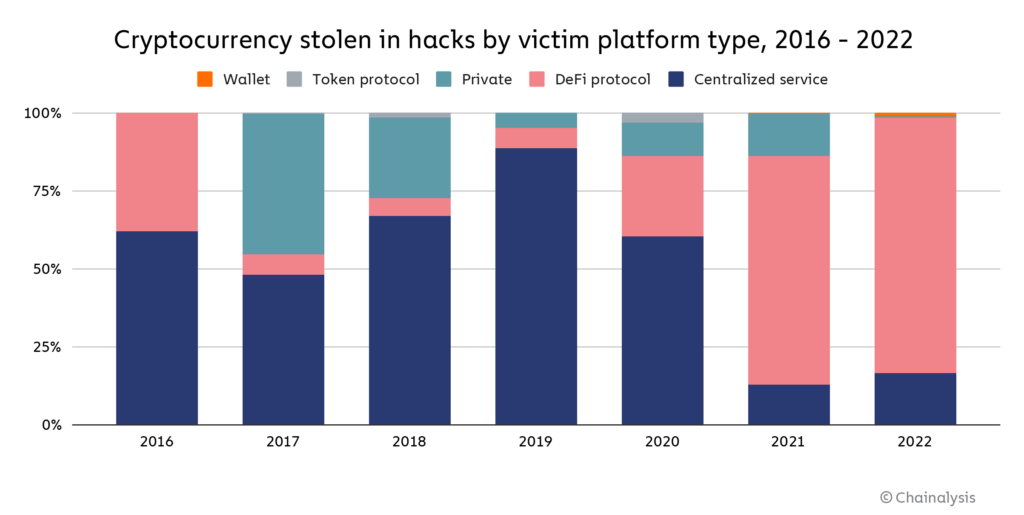
Crypto’s allure—decentralization, anonymity, borderless transactions—also makes it a magnet for fraudsters. In 2025, scams and hacks pilfered an estimated $17 billion, with impersonation tactics exploding by 1400% year-over-year. Chainalysis reports that North Korean hackers alone nabbed $2.02 billion, fueling everything from weapons programs to cyber operations. Why? Because unlike traditional finance, crypto transactions are irreversible—once sent, they’re gone forever.
Hacks dominate the headlines, but scams prey on psychology. Pig butchering, where fraudsters “fatten” victims with fake relationships before slaughtering their savings, caused billions in losses. Deepfakes add a chilling twist: Scammers mimic celebrities or loved ones via AI to peddle bogus investments. And then there are wrench attacks—brutal, real-world coercions where thugs force victims to hand over keys, as seen in rising cases in 2025.
But let’s rewind to learn from history. Crypto’s fraud saga is a rollercoaster of greed, innovation, and betrayal.
Epic Tales of Deception: Notable Crypto Fraud Cases That Shook the World
Crypto’s history is littered with cautionary tales, each a masterclass in what not to do. These aren’t just numbers—they’re stories of shattered dreams and hard lessons.
Start with OneCoin (2014-2017), the grandmother of all Ponzi schemes. Ruja Ignatova, the self-proclaimed “Cryptoqueen,” promised a revolutionary coin rivaling Bitcoin. Investors poured in $4.4 billion, lured by flashy seminars and fake tech demos. But OneCoin had no blockchain—it was a pyramid scam. Ignatova vanished in 2017 with billions; she’s still on the FBI’s Most Wanted list. Lesson: Always verify a project’s tech—demand audits and transparency.
Then there’s BitConnect (2016-2018), the meme-worthy disaster. Promising 1% daily returns via a “lending bot,” it amassed $2.4 billion before collapsing. Founder Satish Kumbhani fled to India; U.S. authorities later charged promoters. The infamous “BitConneeeeect!” conference chant became a symbol of hype over substance. Red flag: Guaranteed returns in crypto? Run.
Mt. Gox (2014) was crypto’s Enron. Once handling 70% of Bitcoin trades, it lost 850,000 BTC ($473 million then, billions now) to hacks and mismanagement. CEO Mark Karpelès was convicted of data manipulation. Recovery efforts continue, but many users got pennies on the dollar. This exposed exchange vulnerabilities—never keep all eggs in one basket.
Fast-forward to FTX (2022), the $8 billion implosion. Sam Bankman-Fried’s empire crumbled when it emerged he’d misused customer funds for Alameda Research’s risky bets. Billions vanished; SBF got 25 years. This highlighted custody risks—exchanges aren’t banks; segregate funds.
PlusToken (2019) targeted Asia with a fake wallet app promising high yields. It stole $2-3 billion before founders were arrested in China. Victims: Over 2 million. Trick: Multi-level marketing disguised as innovation.
Recent horrors include Bybit (2025): $1.4 billion gone via a supply chain attack on signing infrastructure, attributed to Lazarus Group. Cetus Protocol lost $223 million to a math error in liquidity calculations. Balancer V2: $128 million via rounding exploits. Nobitex (2025): $90 million in a politically motivated hack. These aren’t anomalies; they’re patterns—weak points in code, ops, and trust.
Scams like pig butchering evolved from romance frauds. In 2025, syndicates in Southeast Asia ran operations netting billions, using fake apps to simulate profits before demanding more fees. A U.S. seizure of $225 million from such schemes marked a win, but victims often lose everything.
Rug pulls, like Thodex (2021) where the CEO fled with $2 billion, show DeFi’s dark side—developers drain liquidity pools post-hype. And wrench attacks? In 2025, cases spiked, with armed robbers targeting high-net-worth holders for physical access.
These stories aren’t just history—they’re blueprints for defense. Now, let’s arm you.
The Scammer’s Playbook: Common Threats in 2026 and How They Evolve
In 2026, scams are smarter, leveraging AI and psychology. Impersonation: Fraudsters pose as IRS agents or exchanges, demanding crypto for “frozen accounts.” Growth: 1400% in 2025. Example: Fake Coinbase support tricks users into sharing seeds.
Phishing: Bogus sites mimic wallets like Trust Wallet, stealing credentials. Deepfakes: AI clones voices or videos of celebs pushing scams.
Rug pulls and pump-dumps: Hype low-cap tokens on social media, then dump. Fake airdrops: Promise free tokens but drain wallets via malicious contracts.
Address poisoning: Spam tiny transactions with similar addresses to trick copy-paste errors. And task scams: “Work-from-home” gigs requiring crypto upfront.
Red flags? Unsolicited contacts, guaranteed returns, urgency, upfront fees, unregistered platforms. Tools like DFPI’s Scam Tracker help spot them.

Building Your Shield: Core Best Practices for Crypto Security
Security starts with mindset: Treat crypto like cash in a vault, not a checking account. Here’s how to lock it down.
1. Master Wallet Choices and Self-Custody
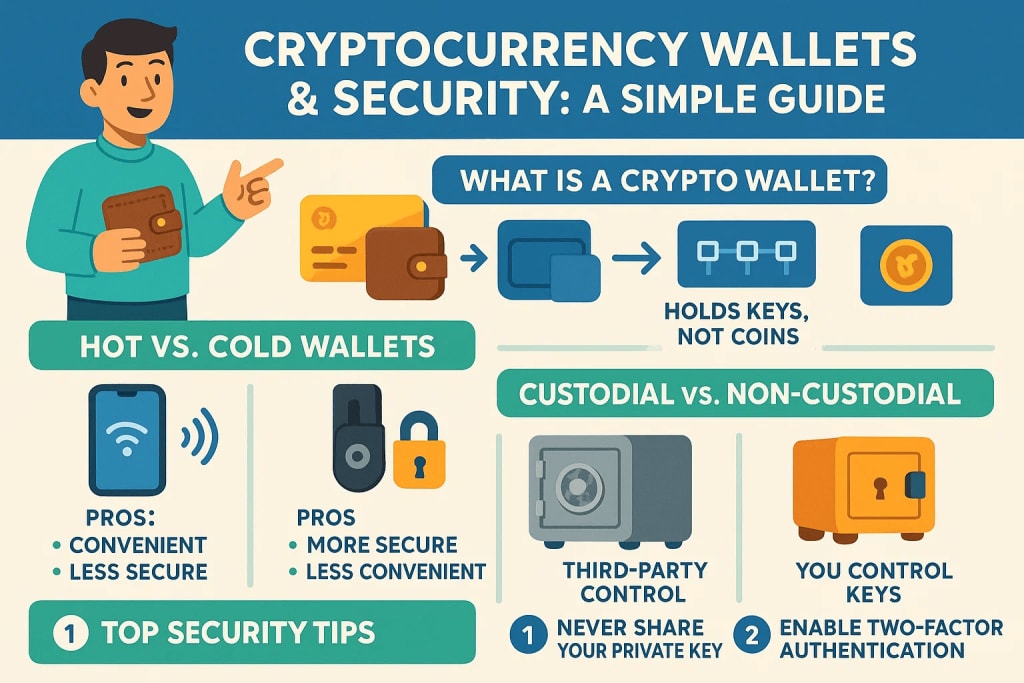
Opt for self-custody— “Not your keys, not your coins.” Use hardware wallets (cold storage) like Ledger or Trezor for 80-90% of holdings; they’re offline, immune to hacks. Hot wallets (software) for daily use, but limit amounts. Buy hardware directly from makers to avoid tampering.
Story time: In 2025, a Binance exec was targeted in a social engineering attack—hardware saved the day by requiring physical confirmation.
2. Seed Phrase Fortification: Your Achilles’ Heel
Your 12-24 word recovery phrase is the master key—never share, store digitally, or enter online. Use metal backups (engrave on steel plates) split across secure locations like safes or bank boxes. Test recovery periodically.
A victim in a 2025 phishing scam lost $282 million after sharing their phrase with a fake support agent. Don’t be them—treat phrases like nuclear codes.
3. Authentication Armor: Beyond Passwords
Ditch weak passwords; use generators for complex ones, stored in managers like LastPass. Enable app-based 2FA (Google Authenticator)—avoid SMS due to SIM swaps. For high-value, go multi-sig: Requires multiple approvals for transactions.
In the Bybit breach, multi-sig wallets were compromised via manipulated signers—reinforce with hardware.
4. Phishing Defense: Spot the Snake
Phishing caused millions in losses—verify URLs, ignore unsolicited links/emails. Use bookmarking for exchanges; scan with antivirus. For deepfakes, verify via official channels.
A 2025 case: Fake Microsoft alerts led to $133 million in crypto losses. Always pause and authenticate.
5. Transaction Vigilance and Monitoring
Double-check addresses—use QR if possible, but verify. Monitor via explorers like Etherscan; set alerts for anomalies with tools like TRM Labs. Avoid public Wi-Fi; use VPNs.
6. Platform Prudence: Choose Wisely
Stick to reputable exchanges with insurance, cold storage, audits. Withdraw post-trade; diversify across platforms.
FTX taught us: Even giants fall—research leadership and reserves.
Leveling Up: Advanced Strategies for Ironclad Protection
For serious holders, go pro.
Multi-Sig and Shamir’s Secret Sharing: Split keys across devices or people—needs majority to transact.
Regular Audits and Backups: Encrypt backups, test restores quarterly. Use services for smart contract audits if in DeFi.
Insurance and Legal Safeguards: Some platforms offer coverage; consider for large sums. In 2026, with clearer regs like the SEC’s Crypto Task Force, compliance aids protection.
Education and Community: Stay updated via Chainalysis reports, join secure forums. If hit, report to FTC/FBI—recoveries like the $225 million pig butchering bust show it’s possible.
Emerging Tech: Verifiable Security: In 2026, AI-driven threat detection and blockchain forensics disrupt scams.
Wrapping Up: Your Crypto Odyssey Awaits
From Bybit’s billion-dollar breach to OneCoin’s global con, crypto’s fraud history is a stark reminder: Vigilance is victory. But with these practices—self-custody, ironclad phrases, multi-layered auth—you’re not just surviving; you’re thriving. In 2026, as crypto integrates with tradFi, secure habits will separate winners from warnings. Remember, the best defense is offense: Educate, verify, protect. Your digital fortress is only as strong as its weakest link—make sure it’s unbreakable.