
Sustainable living is about making conscious choices that reduce your environmental impact while often saving money and improving well-being. In an era of climate challenges, adopting eco-friendly habits can significantly lower your carbon footprint— the average person contributes around 4-5 tonnes of CO2 annually through daily activities. Small changes, like reducing waste or conserving energy, add up to big differences. This guide offers practical, achievable tips for everyday life, from home energy savings to sustainable shopping and transport. We’ll cover reducing waste, conserving resources, sustainable eating, and community involvement, with a list of 10 essential tips to get started. These steps are accessible for anyone, whether in a city flat or suburban house, and many pay for themselves over time.


 .
.
Reducing Waste: Embrace the Zero-Waste Mindset
Waste reduction is a cornerstone of sustainability. Globally, we produce over 2 billion tonnes of waste yearly, much ending in landfills. Start with the “reduce, reuse, recycle” hierarchy.
Switch to reusable items: Ditch single-use plastics for cloth shopping bags, stainless steel water bottles, and beeswax wraps instead of cling film. These last years and eliminate thousands of disposable items.

Compost organic waste: Food scraps and garden clippings make up 30-50% of household waste. A simple bin or bokashi system turns this into nutrient-rich soil.
Shop package-free where possible—bulk stores for grains, nuts, and cleaners using your own containers. Refuse unnecessary items like straws or extra packaging.
Conserving Energy and Water at Home
Home resource use accounts for a large portion of personal emissions. Simple upgrades yield savings.
For energy: Switch to LED bulbs (using 75% less electricity), unplug standby devices, and insulate draughts. Consider solar panels if feasible—they’ve become more affordable.


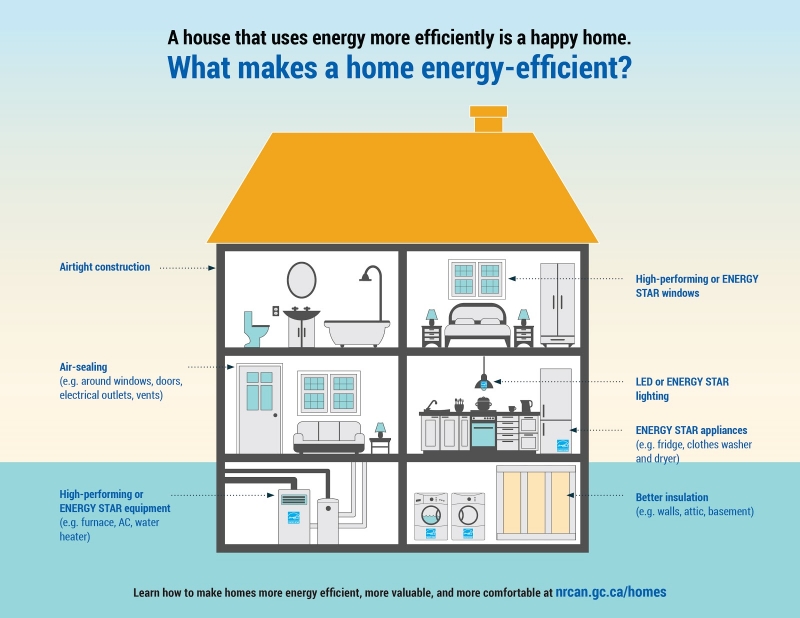
Wash clothes in cold water and air-dry when possible. Smart thermostats optimise heating.
For water: Install low-flow showerheads (saving 20-50% water), fix leaks, and collect rainwater with barrels for gardening.


Shorten showers and use eco cycles on appliances.
Sustainable Eating and Growing Your Own Food
Food systems contribute 25-30% of global emissions. Shift towards plant-based meals—meat production is resource-intensive.
Buy local and seasonal to cut transport emissions. Grow herbs, veggies, or fruits at home—even windowsills work for pots.

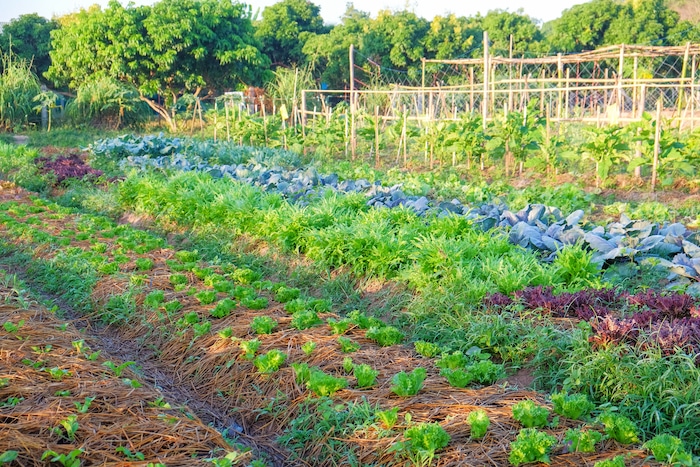
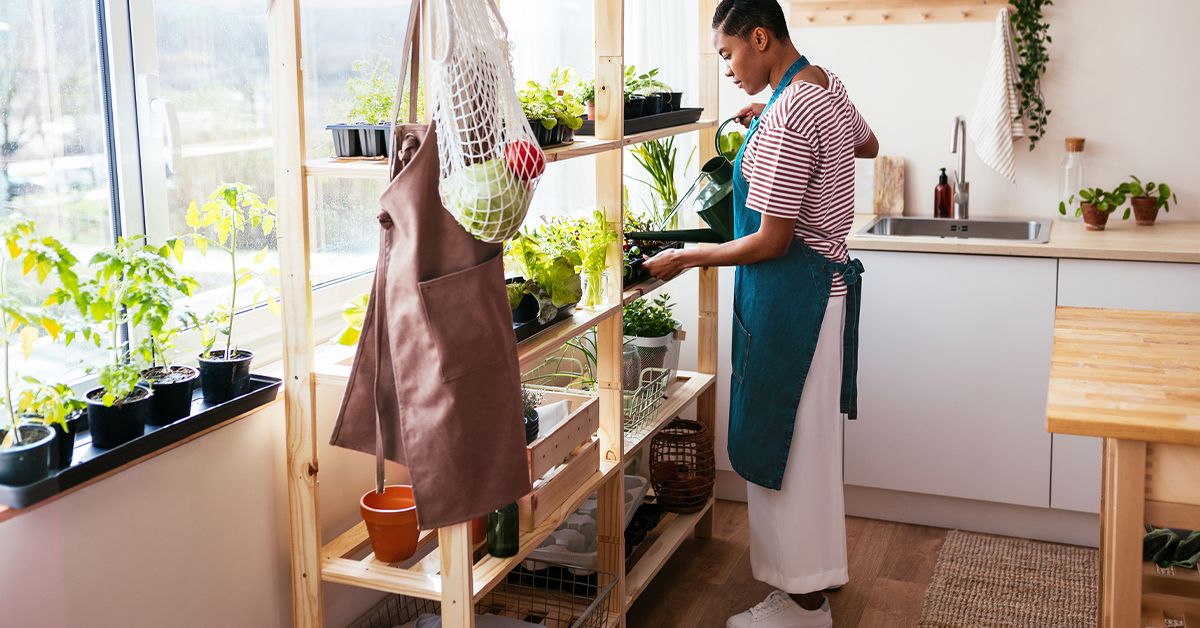
Reduce food waste by planning meals and storing properly. Apps track expiry dates.
Choose sustainable seafood and fair-trade products.
Eco-Friendly Transport and Mobility
Transport emits about 14% of global greenhouse gases. Opt for walking, cycling, or public transport over driving alone.

If driving, consider electric or hybrid vehicles, carpool, or maintain your car efficiently. Work remotely when possible to cut commutes.
Sustainable Shopping and Fashion
Fast fashion is a major polluter. Buy fewer, higher-quality items that last. Shop second-hand or thrift stores—vintage finds are unique and eco-friendly.



Support ethical brands using organic or recycled materials. Repair clothes instead of discarding.
For general shopping, choose products with minimal packaging and durable designs.
Supporting Biodiversity and Community
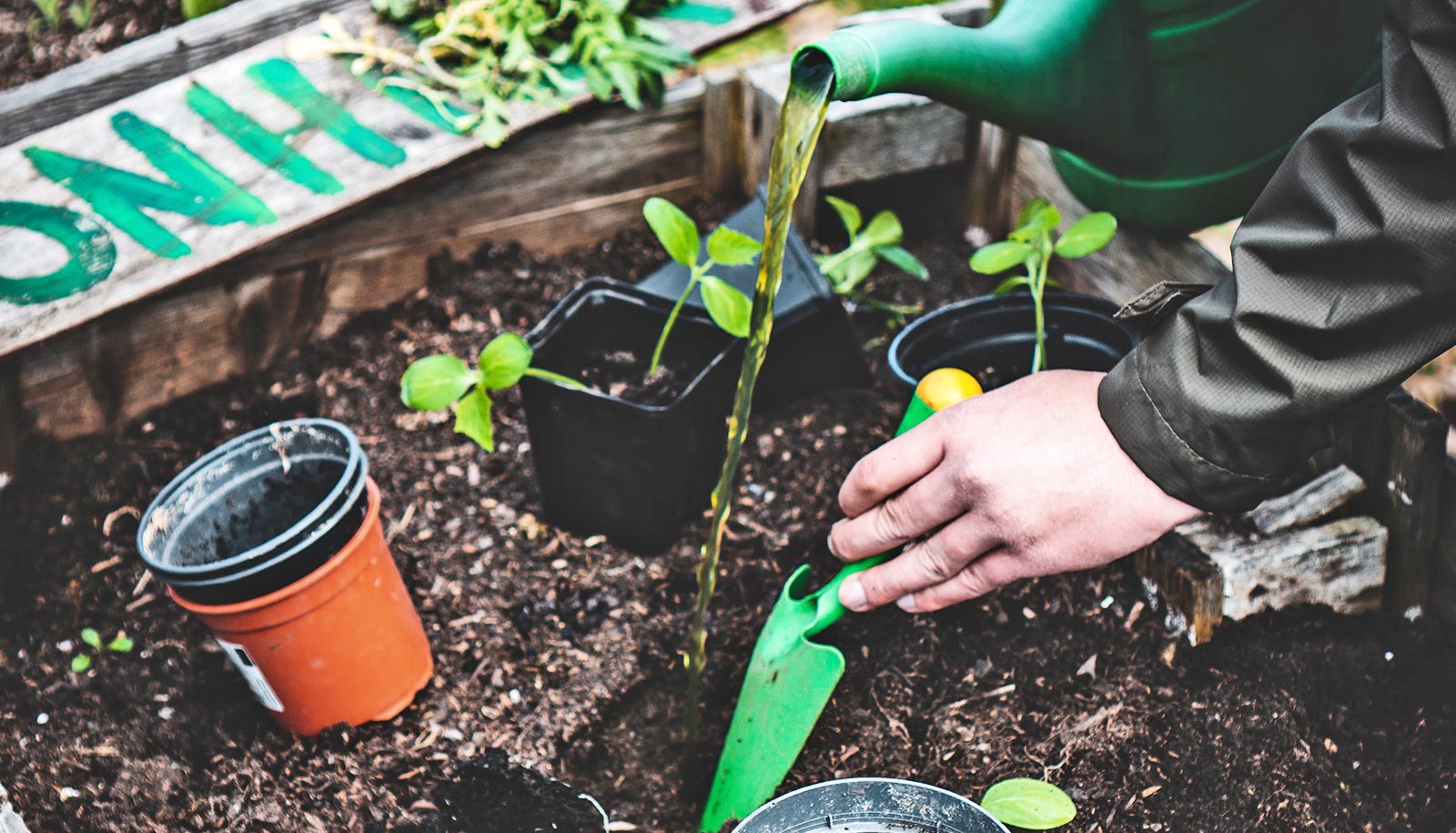
Sustainable living extends outdoors. Plant native species to support pollinators, avoid pesticides, and create wildlife-friendly gardens.
 .
.
Join community gardens or tree-planting initiatives. Volunteer for clean-ups or advocate for green policies.
10 Essential Sustainable Living Tips to Start Today
- Switch to Reusables — Carry a bag, bottle, and coffee cup everywhere.
- Recycle and Compost Properly — Learn local rules; compost organics.
- Conserve Energy — Use LEDs, unplug devices, and optimise heating.
- Eat More Plants — Try meat-free days; shop local.
- Grow Something — Start with herbs on a windowsill.
- Choose Sustainable Transport — Walk, cycle, or use public options.
- Shop Second-Hand — For clothes, furniture, and more.
- Save Water — Shorter showers, rainwater collection.
- Reduce Plastic — Avoid single-use; choose alternatives.
- Educate and Advocate — Share tips and support eco causes.
These habits can cut your footprint by 20-50% while saving money.
Long-Term Benefits and Mindset
Sustainable living boosts health (fresher food, more activity), saves costs (lower bills), and fosters resilience. Start small—pick 2-3 tips—to avoid overwhelm. Track progress for motivation.
Conclusion
Sustainable living is a journey of positive choices benefiting you, your community, and the planet. By implementing these tips, you contribute to a healthier future. Every action counts—begin today for lasting impact.
Disclaimer
The information provided in this article is for general informational and educational purposes only and does not constitute professional advice. The views and opinions expressed are those of the author and do not necessarily reflect the official policy or position of any other agency, organization, employer, or company.
Readers are encouraged to conduct their own research and consult qualified professionals before making any decisions based on the content presented here. The author and publisher assume no responsibility or liability for any errors, omissions, or consequences arising from the use of this information.
Links to external websites are provided for convenience and do not imply endorsement of their content.
Copyright ©2025 kokoclick. All rights reserved.